
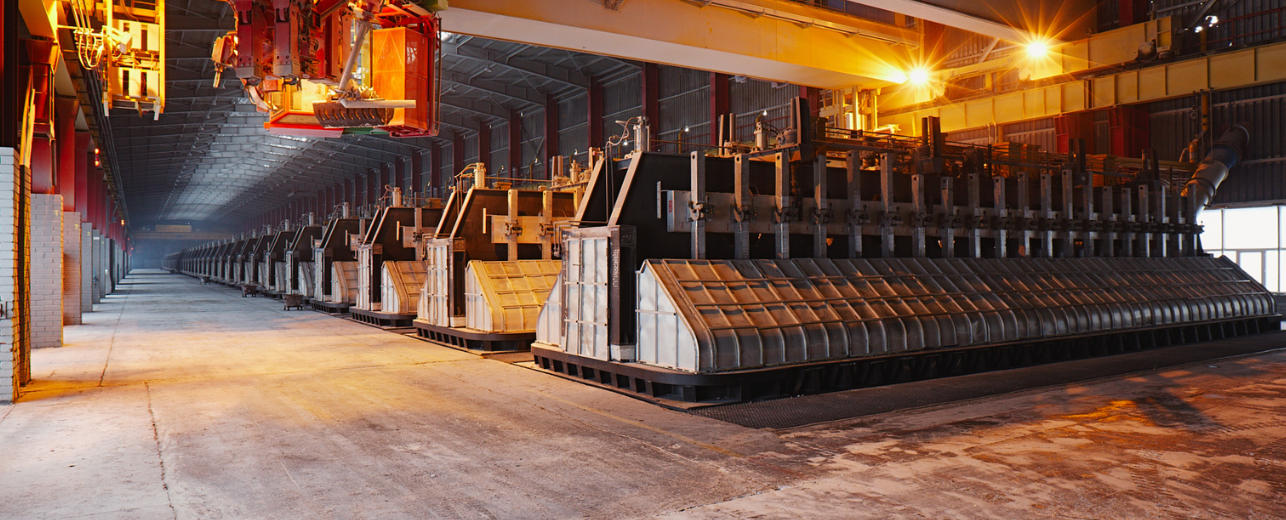
The Critical Role of Mica Products in the Aluminum Electrolysis Industry
In the energy-intensive and technologically advanced aluminum electrolysis industry, selecting the right materials is essential to ensure operational efficiency, prolong equipment life, and maintain product quality. Among these materials, mica has proven to be indispensable due to its exceptional thermal, electrical, and chemical properties. Mica products have become a key component in various stages of the aluminum smelting process.
Why Mica is Ideal for Aluminum Electrolysis
Mica is a naturally occurring mineral from the silicate group, composed primarily of potassium, aluminum, magnesium, iron, and water. It is widely recognized for its ability to withstand extreme temperatures — often exceeding 1000°C — without structural degradation. This remarkable heat resistance makes mica especially suitable for the demanding environment of aluminum electrolysis cells, where operating temperatures typically range from 950°C to 980°C.
In addition to thermal stability, mica exhibits outstanding electrical insulation. In electrolysis cells where high-voltage currents pass through the electrolyte to enable aluminum reduction, electrical insulation is critical to prevent short circuits and maintain operational safety. Mica’s high dielectric strength and low power loss make it ideal for insulating key components within the cell.
Mica also offers superior chemical resistance. It is inert to a wide range of corrosive substances, including acids, alkalis, oils, and gases. Given the aggressive chemical nature of electrolytes such as cryolite and alumina in aluminum smelting, mica serves as a reliable protective barrier, helping to extend the lifespan of critical equipment and minimize maintenance downtime.
Applications of Mica Products in the Aluminum Electrolysis Process
1. Insulation in Electrolysis Cells
- Cell Linings:
Mica sheets and mica-based composites are commonly used in the lining of electrolysis cells. Positioned between the refractory material and the steel shell, these linings provide both thermal insulation and electrical isolation. High-performance mica boards—manufactured from muscovite or phlogopite paper bonded with silicone resins—are designed to endure continuous high-temperature operation and reduce thermal loss, thereby improving energy efficiency. - Electrode Insulation:
Proper insulation of anodes and cathodes is crucial to direct the electric current efficiently through the electrolyte. Mica-based insulating sleeves and washers are installed to isolate the electrodes from the cell structure. Cone-shaped mica composite sleeves, for example, are used in the crust-breaking cylinders and aluminum tapping cylinders, offering resilience against high temperatures, corrosive conditions, and mechanical impact while maintaining excellent insulation performance.
2. Heat-Resistant Components in Auxiliary Equipment
- Heating and Cooling Systems:
Mica-based heating elements are utilized in preheating systems due to their rapid thermal response and long-term high-temperature reliability. In cooling systems, mica-filled gaskets and seals are employed to manage thermal fluctuations and maintain tight sealing in pipelines and heat exchangers. - Electrical Control Cabinets:
Electrical control cabinets in aluminum electrolysis plants must withstand high ambient temperatures and particulate contamination. Mica-lined panels are installed within the cabinets to provide insulation and thermal protection, safeguarding sensitive electrical components and ensuring the stability of control systems.
3. Insulation and Protection in Power Systems
- Transformer Insulation:
Transformers are integral to power distribution in smelting facilities. Mica-based insulation materials, including mica tapes and impregnated paper, are used to isolate transformer windings. These materials enhance heat dissipation and prevent voltage breakdowns, improving both safety and energy efficiency. - Cable Insulation:
Power cables operating within the plant are often exposed to high heat and electrical loads. Mica-insulated cables provide excellent protection against thermal and electrical stress, reducing the likelihood of breakdowns and extending service life.
Why Choose Micasheet for Aluminum Electrolysis Applications
Micasheet is a trusted supplier of premium mica products, offering specialized solutions tailored to the unique requirements of the aluminum electrolysis industry. Our products are engineered for durability, efficiency, and safety in the most demanding industrial environments.
● Uncompromising Quality Control
Our mica sheets and boards are produced from high-purity raw mica and undergo strict quality checks in compliance with international standards such as IEC 371. Our high-performance mica boards withstand continuous operating temperatures of 800–1050°C—exceeding most requirements for aluminum electrolysis applications.
● Custom Solutions for Specialized Needs
No two plants are the same. That’s why we offer custom fabrication services, including CNC-machined insulation parts and complex geometries based on client drawings. We supply phlogopite mica gaskets up to 900mm in diameter and mica sheets up to 2500mm in length and 50mm in thickness, with additional options for adhesive backing or die-cutting.
● Proven Industry Experience
With a strong track record serving aluminum smelting operations worldwide, Micasheet brings a deep understanding of industry challenges. Our solutions have helped clients increase energy efficiency, minimize downtime, and reduce maintenance costs. Our products are field-tested and trusted for long-term performance in harsh environments.
Conclusion
Mica products are not just useful—they are vital to the performance and reliability of modern aluminum electrolysis operations. From insulation inside cells to components in power systems, mica’s unique properties support safety, efficiency, and durability throughout the smelting process. Partnering with Micasheet ensures access to world-class mica solutions, tailored support, and the reliability needed to stay competitive in today’s global aluminum market.