
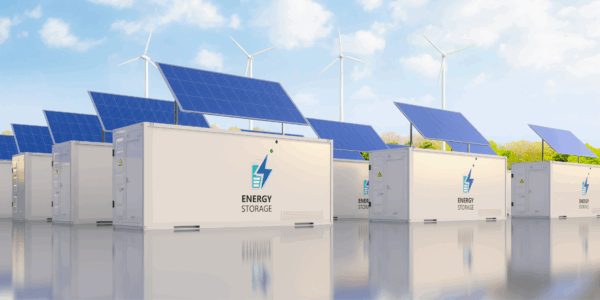
Energy Storage Systems (ESS)
Mica is playing an increasingly important role in Energy Storage Systems (ESS), particularly in lithium-ion battery modules and ESS units. It enhances module design by acting as a fire barrier, stabilizing heat dynamics, and supporting high‑voltage performance—making it a key component in safe, scalable energy storage.
1. Thermal Runaway Barrier Between Battery Cells
Mica sheets are often used as thermal and fire-resistant partitions between individual battery cells. Normally, a mica barrier assembly is inserted between adjacent cells—sometimes combined with expandable graphite—to allow airflow in normal operation yet block flame propagation if thermal runaway occurs, effectively preventing chain-reaction fires.
These mica barriers maintain insulation resistance up to 150 kV/mm at temperatures between 500–1000 °C, and exhibit excellent flame retardancy and low smoke emission.

2. Enhanced Thermal Stability
Mica’s high-temperature resilience makes it ideal for use in ESS modules:
- It provides consistent dielectric performance under high voltage and heat.
- It helps slow down heat transfer between cells, offering more time for system-level safety responses
Although mica does not fully prevent thermal propagation, thin mica sheets can delay thermal coupling and reduce ejection of hot gases, thus improving safety margins

3. Electrical Insulation & Dielectric Support
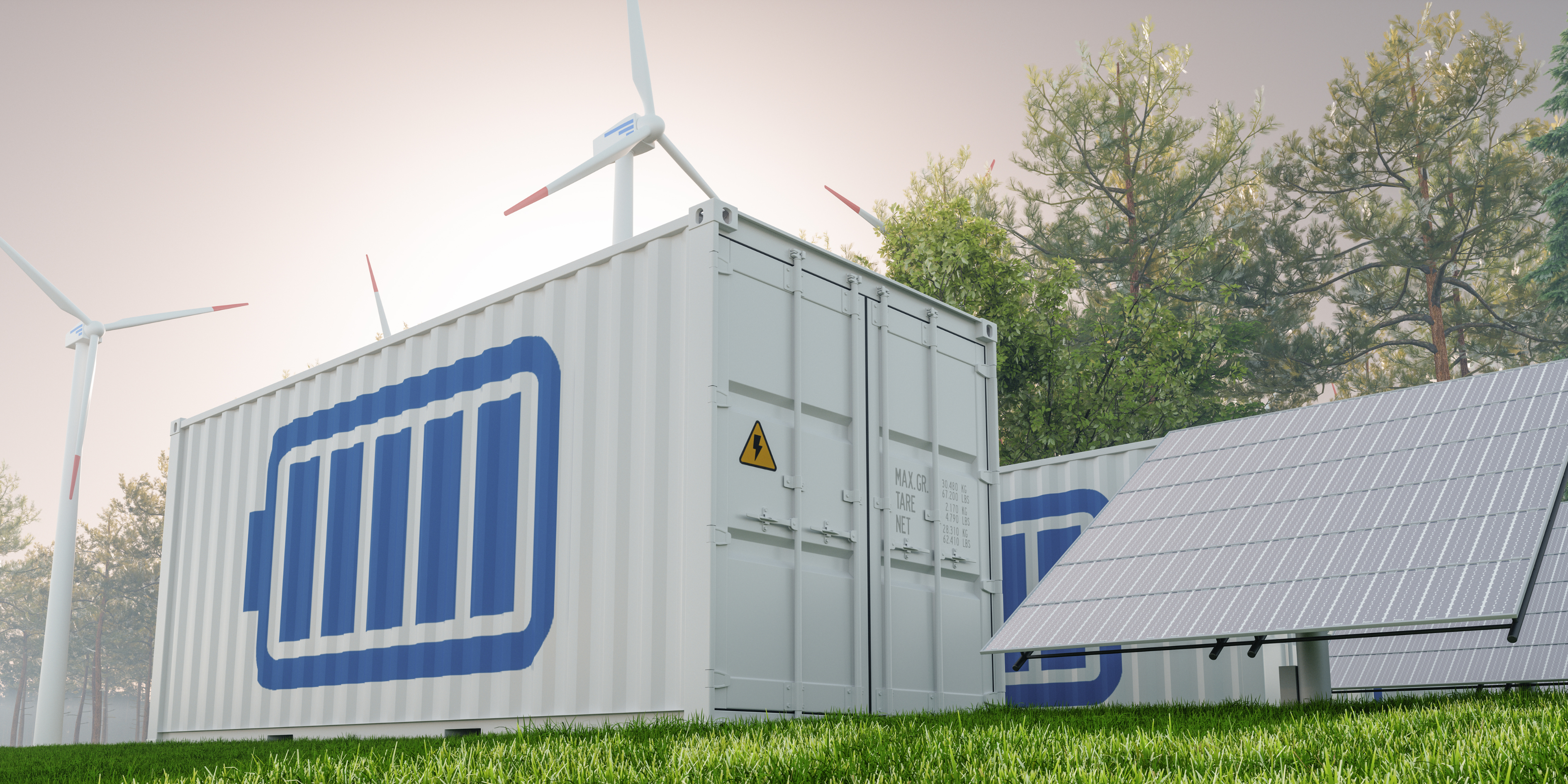
Used in the ESS’s insulating layers, mica helps uphold high-voltage dielectric strength and supports safe power electronics integration. According to industry research, mica withstands operation up to 15 kV/mm, and is valued in new energy markets for grid storage and EV systems, balancing thermal management, safety, and energy efficiency.
Why Mica Is Chosen in ESS
| Benefit | Description |
|---|---|
| Flame barrier | Prevents fire propagation between cells in the event of thermal runaway |
| High dielectric & thermal resistance | Ensures reliable operation at elevated voltage and temperature |
| Good thermal control capabilities | Slows heat transfer and hot gas ejection, aiding thermal management |
